Esports, short for electronic sports, are organized competitive video game competitions where individuals or teams face off in multiplayer titles, often with significant prize money, structured leagues, and global audiences. Think of it as traditional sports but played on screens with keyboards, mice, controllers, or even mobile devices instead of balls and fields. Players train rigorously, strategize like coaches in any major league, and compete in tournaments that draw millions of viewers online.
I remember my first real brush with esports back in the early 2010s. A friend dragged me to a local LAN party where guys were hunched over PCs battling in Counter-Strike. The tension in the room felt electric, like watching a penalty shootout in soccer, but with headshots and clutches. One player pulled off a miracle comeback, and the cheers erupted. That moment hooked me—esports wasn’t just “gaming”; it was skill, teamwork, and drama unfolding in real time. If you’re curious and wondering where to start, you’re in the right place. This guide breaks it all down for newcomers.
What Exactly Are Esports?
Esports refer to competitive video gaming at amateur and professional levels, featuring organized tournaments, leagues, and rankings with cash prizes. Games span genres like shooters, MOBAs (multiplayer online battle arenas), battle royales, fighting games, and even sports simulations. The key is the competitive structure: players or teams qualify, compete under rules, and vie for titles, much like soccer’s World Cup or basketball’s NBA playoffs.
At its core, esports blends strategy, reflexes, communication, and endurance. Pros spend hours daily practicing mechanics, reviewing replays, and building team synergy. Spectators watch live streams on platforms like Twitch or YouTube, cheering for favorite players or teams. It’s accessible—anyone with a decent setup can jump in—yet deeply competitive at the top. Light humor here: while your grandma might call it “kids playing games,” the prize pools often rival or exceed those in some traditional sports events.
A Brief History of Esports: From Arcade Nights to Global Phenomenon
Esports didn’t explode overnight. Its roots trace back to 1972 at Stanford University’s Artificial Intelligence Laboratory, where students competed in the “Intergalactic Spacewar! Olympics” for a Rolling Stone subscription. In 1980, Atari hosted the first major national tournament for Space Invaders, drawing 10,000 participants. Arcade culture in the ’80s and ’90s fueled high-score chases, with organizations like Twin Galaxies tracking records.
The 1990s brought fighting games like Street Fighter and Mortal Kombat tournaments, plus early FPS titles. South Korea became the “laboratory of esports” in the early 2000s, thanks to widespread broadband, PC bangs (gaming cafes), and government support via the Korean Esports Association (KeSPA). Games like StarCraft turned pros into celebrities, with televised matches. The term “esports” gained traction around then.
Streaming platforms like Twitch (launched 2011) supercharged growth in the 2010s. League of Legends and Dota 2 drew massive audiences. The Dota 2 International shattered prize pool records, hitting over $30 million in some years. Today, esports spans consoles, PC, and mobile, with college scholarships, corporate sponsorships, and even Olympic recognition discussions.
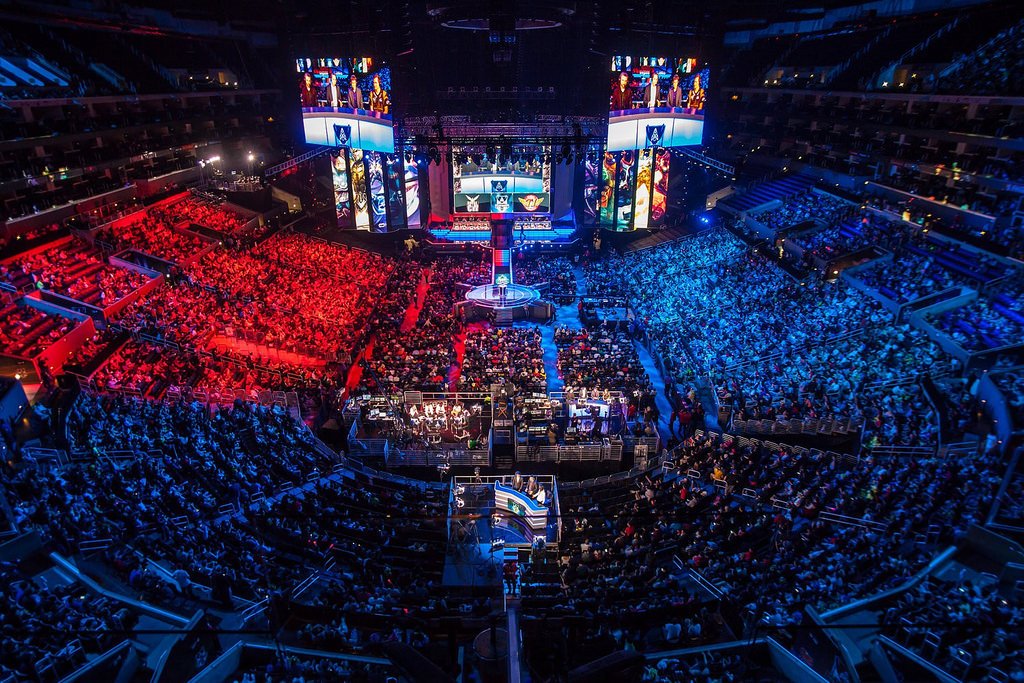
I once watched a League of Legends Worlds final with friends; the crowd roar reminded me of a rock concert. That evolution from niche hobby to billion-dollar industry shows how technology and passion collided.
The Explosive Growth of the Esports Industry
The esports market has boomed. Estimates for 2025-2026 put revenue around $5-10 billion, with projections reaching $55 billion by 2035 at a strong CAGR. North America often leads in revenue share, while Asia-Pacific dominates viewership, especially mobile esports in regions like Southeast Asia.
Viewership hits hundreds of millions annually. Major events like League of Legends Worlds or Counter-Strike Majors pull peaks of several million concurrent viewers. Sponsorships from brands like Red Bull, Intel, and Mercedes fuel it, alongside media rights and merchandise. Mobile titles drive accessibility, lowering barriers in emerging markets.
Growth stems from better internet, streaming tech, and younger audiences preferring digital entertainment. Post-pandemic, online viewership surged further. Yet challenges like player burnout and regulation persist. For newcomers, this means more opportunities to watch, play, or even build a career.
Popular Esports Games in 2026: What Everyone’s Playing
Diverse titles define the scene. MOBAs like League of Legends and Dota 2 emphasize strategy and teamwork. Shooters such as Counter-Strike 2 (CS2) and VALORANT test aim and tactics. Battle royales (Fortnite, Apex Legends) mix survival and chaos. Fighting games (Street Fighter 6) and mobile hits (Mobile Legends: Bang Bang) round it out, with huge peaks in Asia.
Top Games by Viewership and Popularity (2026 Snapshot):
- League of Legends: Timeless MOBA king with massive international events.
- Counter-Strike 2: Tactical FPS staple, known for Majors and high skill ceiling.
- VALORANT: Riot’s hero shooter blending CS mechanics with abilities.
- Dota 2: Complex strategy with enormous prize pools.
- Mobile Legends: Bang Bang: Dominant in mobile, drawing record peaks.
- Others: Rocket League, Apex Legends, Honor of Kings, fighting games.
Each has unique appeal. CS2 feels like chess with guns—precise and mental. League rewards macro decisions over raw mechanics sometimes. Newcomers: pick one that matches your style. I started with shooters because dodging bullets felt thrilling, but watching MOBA pros coordinate lanes changed my appreciation.
Major Tournaments and Leagues: Where the Magic Happens
Leagues provide year-round structure. Riot’s LCK (Korea), LEC (Europe), and LCS (North America) feed into League of Legends Worlds. Valve’s Dota 2 International (TI) crowns champions with crowd-funded prizes. ESL and BLAST run Counter-Strike circuits, while VCT handles VALORANT.
Big events include IEM (Intel Extreme Masters), DreamHack, and regional championships. Prize pools vary: some reach millions, others thousands for qualifiers. Teams qualify via regional circuits or invitations.
Attending or watching live adds immersion—crowd energy, analyst desks, and player interviews. One emotional highlight: underdog teams pulling upsets, proving heart matters as much as hardware.
Famous Esports Players and Teams: Legends of the Game
Icons inspire. In League, Faker (Lee Sang-hyeok) of T1 earned “GOAT” status with multiple world titles and longevity. s1mple dominated CS:GO with insane aim. Others like Miracle- in Dota 2 or Turbopolsa in Rocket League showcase versatility.
Teams like T1, Team Vitality, Gen.G, Fnatic, and G2 build dynasties across titles. Organizations invest in facilities, coaches, and analysts. Stories of comebacks—like OG’s TI win with stand-ins—build legends.
I followed a VALORANT player who grinded from ranked queues to pros. Their journey showed dedication pays, even if the path is tough.
Esports vs. Traditional Sports: Similarities and Differences
Both demand skill, training, teamwork, and mental toughness. Fans cheer, stats track performance, and rivalries fuel drama. Yet differences stand out.
Comparison Table:
| Aspect | Esports | Traditional Sports |
|---|---|---|
| Physical Demand | Hand-eye coordination, reflexes, posture | Full-body athleticism, endurance |
| Accessibility | Lower barrier (PC/console + internet) | Equipment, fields, physical fitness |
| Career Length | Often shorter (peak in 20s) | Varies, longer in some (e.g., golf) |
| Viewership Format | Digital streaming, global online | TV, stadiums, mixed |
| Prize Pools | Competitive in top events | Often higher overall revenue |
| Inclusivity | High for gender, location | Varies by sport |
Esports offers global reach without travel costs for casuals, but lacks the physical spectacle. Many pros cross-train with gym work for health. Both build discipline—esports just does it seated.
Humorously, traditional athletes might mock “no sweat,” but esports players endure marathon sessions and travel jet lag too.
Pros and Cons of Pursuing Esports as a Career or Hobby
Pros:
- Passion-driven work: Earn doing what you love.
- Skill development: Improves reaction time, strategy, teamwork, and pressure handling.
- Opportunities beyond playing: Coaching, streaming, content creation, management, marketing.
- Community and travel: Global networks, events in cool cities.
- Potential earnings: Top players make six or seven figures; teams offer salaries plus prizes.
Cons:
- Short peak career: Many retire by mid-20s due to reflexes declining.
- Burnout and health risks: Eye strain, back pain, sleep issues, mental stress.
- High competition: Only a tiny fraction go pro; most earn little.
- Unstable income for many; exploitative contracts in some scenes.
- Social trade-offs: Intense practice means less time for family or school.
Balanced view: Treat it like any sport—train smart, prioritize health, have backups. Many transition successfully to related fields.
How to Get Started in Esports: A Practical Guide for Newcomers
Start simple. Choose a game you enjoy—watch pros on YouTube or Twitch to see if it clicks. Build fundamentals: mechanics (aim, movement), game sense (positioning, economy), and communication.
Steps for Beginners:
- Set up gear: Decent PC/console, mouse/keyboard, headset. No need for top-tier immediately.
- Practice deliberately: 1-2 hours daily focused sessions, not mindless grinding. Review VODs.
- Join communities: Discord servers, Reddit (r/esports, game-specific subs), local clubs.
- Play ranked or casual matches: Climb ladders to gauge skill.
- Enter tournaments: Start small—online qualifiers, school/club events.
- Learn from pros: Study builds, strategies, watch educational content.
- Network: Team up with friends or find squads online.
Tools: Free coaching resources on YouTube, aim trainers (for shooters), replay analyzers. For mobile, apps make entry easy. Transactional tip: Best beginner setups include budget mechanical keyboards and 144Hz monitors for smoother play.
I began by queuing solo in a popular shooter. Losses stung, but wins built confidence. Consistency beats talent alone.
Building Skills and Finding Your Path
Focus on one title first to avoid spreading thin. Master core loops: for MOBAs, last-hitting and map awareness; for shooters, crosshair placement. Mental game matters—tilt control separates good from great.
Join amateur teams or university programs (many colleges now offer esports scholarships and teams). Watch analyst breakdowns for deeper insights.
Career Opportunities Beyond Pro Play
Esports isn’t just playing. The industry needs:
- Coaches and analysts
- Casters and broadcasters
- Event organizers and marketers
- Content creators and streamers
- Data scientists, developers, and psychologists
- Management and business roles
Degrees in esports management, communications, or related fields help. Internships with teams or platforms open doors. Streaming on Twitch can monetize hobbies via subs and donations.
Health, Wellness, and Responsible Play
Sitting long hours risks posture issues, eye strain, and repetitive strain injuries. Pros incorporate exercise, ergonomics, and breaks. Mental health support grows, with teams hiring psychologists.
Tips: 20-20-20 rule for eyes, standing desks, regular workouts. Balance gaming with real-life activities. Parents or newcomers: moderation prevents addiction risks.
The Future of Esports: What’s Next?
Mobile and VR could expand reach. Integration with traditional sports (sim racing, FIFA/EA FC) blurs lines. Better regulations, player unions, and diversity initiatives loom. AI coaching tools and metaverse events might emerge. With growing investment, expect more inclusivity and sustainability focus.
Challenges like cheating detection and fair pay remain, but the trajectory is upward.
People Also Ask (PAA) About Esports
How do you make money in esports?
Through player salaries, tournament prizes, streaming revenue, sponsorships, and merchandise. Top pros earn via team contracts; others via content or coaching.
Is esports a real sport?
Yes, in the competitive and organizational sense—skill-based, rule-bound, spectator-driven. Debates continue on physicality, but recognition from bodies like the IOC grows.
What age is too old for esports?
Peak performance often hits early 20s due to reflexes, but many compete into late 20s or transition roles. Dedication and strategy can extend careers.
How much do esports players earn?
Varies wildly. Top stars make millions cumulatively; average pros earn livable salaries ($50k-$200k+). Many earn modestly or nothing at amateur levels.
Can anyone become a pro in esports?
Rarely—requires elite talent, thousands of practice hours, and luck. But anyone can enjoy competitively or build related careers.
FAQ: Common Questions from Curious Newcomers
What equipment do I need to start esports?
A reliable computer or console, stable internet, gaming mouse/keyboard, and headset. Budget options work for beginners; upgrade as you improve.
Is esports safe for kids and teens?
With parental guidance on screen time and online interactions, yes. Many programs teach responsibility. Monitor for excessive play and encourage balance.
Where can I watch esports live?
Twitch, YouTube Gaming, or official league apps/sites. Major events often stream free with commentary.
How long does it take to get good at an esports game?
Months for basics, years for competitive edge. Consistent practice and learning accelerate progress.
Are there women in esports?
Yes, though underrepresented. Mixed and women-only tournaments exist, with growing initiatives for inclusivity.
Esports offers excitement, community, and growth for anyone willing to dive in. Whether you watch casually, play ranked for fun, or dream bigger, the barrier is low but the rewards rich. Grab a controller or mouse, queue up, and see where it takes you. The arena awaits—your first clutch moment might be closer than you think.
Related Posts
Defining Your Tournament Goals and Scope
Organizing an esports tournament is one of the most rewarding…
Current State of Esports: Explosive Growth in a Young Industry
Esports has exploded from basement LAN parties into a global…