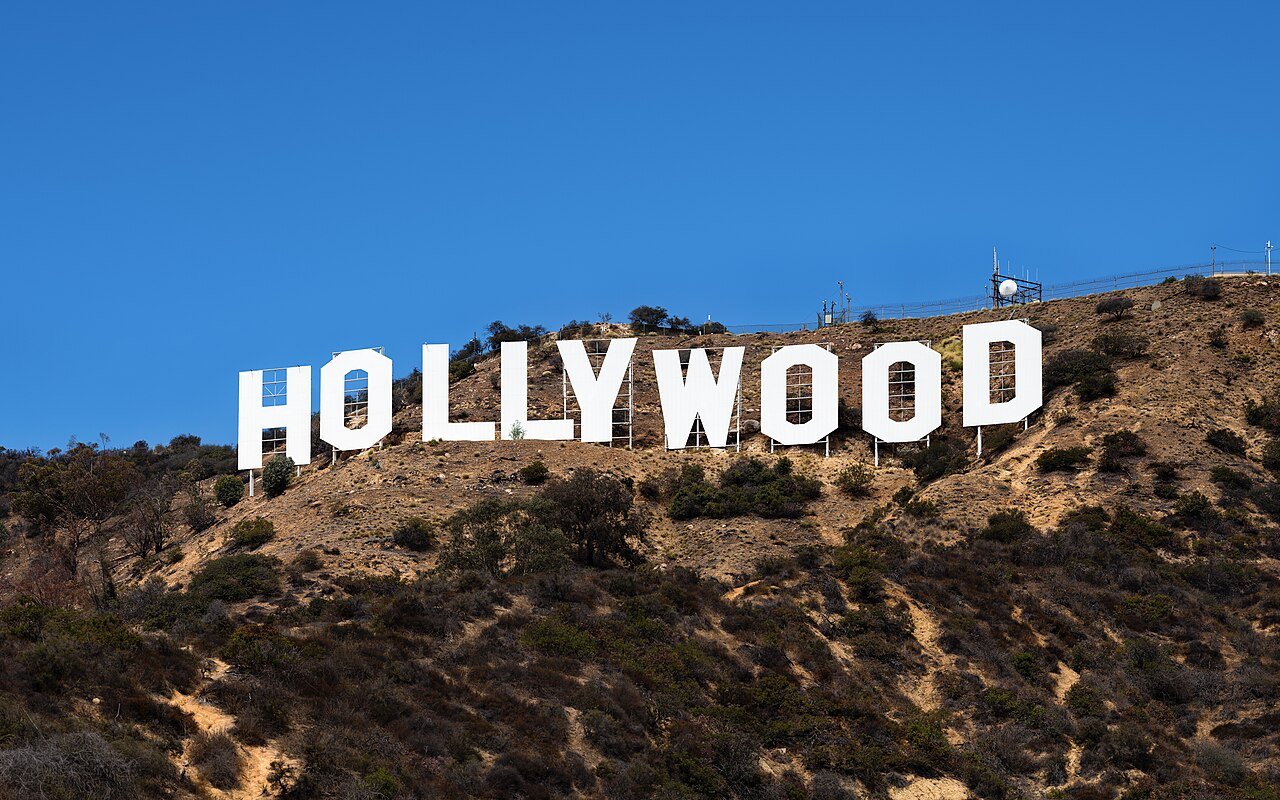
The Hollywood Sign stands as one of Los Angeles’ most recognizable icons, a white-lettered beacon on Mount Lee that has symbolized glamour, ambition, and the entertainment industry since its debut. Originally erected in 1923 as “HOLLYWOODLAND” to promote a real estate development, it evolved into the shortened “HOLLYWOOD” we know today after restorations in the 1940s and later. At 45 feet tall and 350 feet long, the sign isn’t just a landmark—it’s a cultural touchstone that draws millions who want that perfect photo moment.
I’ve chased views of the sign on multiple trips to LA, from quick stops during layovers to full-day hikes that left my legs burning but my camera roll full. One memorable morning, I pulled up to a quiet park as the sun crested the hills, the sign glowing against a clear blue sky while a few locals walked their dogs nearby. That simple scene reminded me why people keep coming back: it’s not just about seeing letters on a hill—it’s about feeling connected to Hollywood’s dream factory.
Whether you’re a first-time visitor, a photographer hunting golden-hour light, or a hiker seeking closer encounters, the best places to view the Hollywood Sign offer something for every fitness level and schedule. This guide covers accessible spots, scenic drives, trails, and practical tips to help you plan an unforgettable experience without frustration.
Why the Hollywood Sign Captivates Visitors
The sign’s magic lies in its history and setting. Built as a temporary advertisement, it survived storms, vandalism, and near-demolition thanks to preservation efforts, including a major 2010 campaign backed by Hugh Hefner that protected surrounding land. Today, it sits within Griffith Park, offering views that blend urban sprawl with natural beauty. On clear days after rain, the sign pops against the hills, with the Los Angeles basin stretching endlessly below.
From a distance, it evokes nostalgia for classic films and celebrity lore. Up close on trails, it feels more personal—like standing on the edge of the industry’s birthplace. Light humor often sneaks in: I’ve heard visitors joke that the sign’s letters are so large because “even Hollywood needs to overcompensate.” Yet the emotional pull is real—many leave inspired, snapping selfies that capture not just the landmark but their own LA adventure.
Easiest No-Hike Views: Quick Stops for Everyone
If time or mobility limits your plans, several spots deliver solid views without breaking a sweat. These make ideal starting points for families, couples, or anyone wanting convenience.
Lake Hollywood Park stands out as one of the closest and easiest viewpoints. Tucked in a residential area near Beachwood Canyon, the park offers direct, head-on perspectives of the sign. Street parking is usually available (though it fills on weekends), and you can stroll a short grassy hill for better framing. It’s dog-friendly, with open space for picnics or quick photos. I once spent a relaxed afternoon here watching clouds drift behind the letters—pure, uncomplicated joy.
From here, the sign appears intimate yet framed by hills, making it great for that classic “pinch the letter” shot. Pros include minimal effort and free access; the main con is occasional parking hunts in narrow streets.
Griffith Observatory provides panoramic context, pairing the sign with sweeping city and mountain vistas. Park (note: fees apply and lots fill fast), then walk the western railing for clear sightlines. The observatory itself is free to enter, with exhibits and planetarium shows adding value. Sunset here turns the scene magical as lights twinkle below. One evening visit left me awestruck—the sign small in the distance but iconic against the glowing skyline.
This spot suits those combining views with science or stargazing. Arrive early to beat crowds.
Ovation Hollywood (formerly Hollywood & Highland) brings urban convenience. Head to upper levels or the rooftop areas of this shopping and entertainment complex on Hollywood Boulevard for elevated glimpses. It’s perfect if you’re already exploring the Walk of Fame or Dolby Theatre. Combine it with dining or movies for a full day. The view is more distant but framed by palm trees and city bustle—fun for people-watching too.
Other easy options include Mulholland Drive pullouts and Barnsdall Art Park, which add variety without hikes.
Scenic Drives and Overlooks: Views from the Road
For those who prefer wheels over feet, Mulholland Drive offers dramatic, winding drives with multiple pullouts revealing the sign alongside broader LA scenery.
Mulholland Scenic Overlook and nearby points along the highway deliver expansive shots, sometimes including the distant ocean on clearest days. Drive east near the 101 Freeway for the Hollywood Bowl Overlook variant. These spots work well at golden hour when light bathes the hills warmly. I remember pulling over one clear afternoon, engine off, just soaking in the silence broken only by occasional cars—pure California zen.
Pros: Flexible timing, no hiking gear needed. Cons: Traffic can snarl on weekends, and some overlooks have limited parking.
The Jerome C. Daniel Overlook above the Hollywood Bowl pairs sign views with amphitheater peeks, though tour buses sometimes crowd it.
Lake Hollywood Reservoir: Nature-Focused Perspectives
A short walk or drive from Lake Hollywood Park leads to the Hollywood Reservoir (also called Lake Hollywood). The 3.5-mile paved loop trail around the reservoir provides shaded paths, water views, and consistent sign sightings framed by greenery. Park at the trailhead or nearby streets and enjoy a flat, accessible route popular with runners and families.
This spot feels more serene than urban viewpoints—the sign reflected subtly against the water or peeking through trees. Wildlife like hawks or deer occasionally appears, adding charm. It’s ideal for a relaxed morning or evening stroll. Bring water and sunscreen; the path is exposed in sections.
Compared to pure park views, the reservoir adds a natural buffer that makes photos feel less “touristy.” Light crowds early weekdays enhance the peaceful vibe.
Hiking Trails for Closer Encounters and Epic Vistas
For immersive experiences, Griffith Park’s trails reward effort with proximity and unique angles. All are open sunrise to sunset; check conditions as heat and dryness vary.
Mt. Hollywood Trail (from Griffith Observatory) offers a moderate 5.3-mile loop with gradual climbs and multiple sign viewpoints. It starts conveniently near the observatory, blending history with exercise. Expect elevation gain but rewarding 360-degree panoramas.
Brush Canyon Trail via Canyon Drive (about 6 miles round-trip) takes you through shaded canyons toward front-facing views. It’s a favorite for balanced challenge and scenery, passing near historic spots like the Bronson Caves (the old Batcave). Parking at the trailhead can be tight—arrive early.
Innsdale Trail / Mt. Lee Drive provides some of the best front-on perspectives with less overall distance in sections. Access via residential streets requires respect for neighbors—no blocking driveways. The payoff includes clear, close shots ideal for detailed photography.
Cahuenga Peak Trail (shorter but steeper, ~3 miles) leads to higher elevations near the Wisdom Tree, offering views from behind or above the sign. It’s more strenuous with 875+ feet of gain but delivers that “on top of the world” feeling.
Hiking tips: Wear sturdy shoes, carry plenty of water (no facilities on most trails), and start early to avoid midday heat. Trails can get dusty; download offline maps. One hiker friend laughed about nearly proposing at a summit viewpoint—romance thrives up there amid the views.
Pros and Cons of Hiking vs. Easy Views
- Hiking Pros: Closer proximity, unique angles, exercise, fewer crowds on lesser-known paths, sense of achievement.
- Hiking Cons: Physical demand, time commitment (2–4+ hours), weather exposure, limited parking at some trailheads.
- Easy Views Pros: Quick access, family-friendly, combinable with other attractions, minimal preparation.
- Easy Views Cons: More distant sign, higher crowds at popular spots like the observatory, potential parking fees.
Choose based on your energy: novices or short-timers stick to parks and drives; adventurers tackle trails.
Comparison Table: Top Viewpoints at a Glance
| Viewpoint | Effort Level | Distance to Sign (approx.) | Best For | Parking/Crowds | Unique Feature |
|---|---|---|---|---|---|
| Lake Hollywood Park | None | Very close (~0.6 mi) | Quick photos, families | Street (free, competitive) | Dog-friendly, intimate view |
| Griffith Observatory | None/Light | Distant panoramic | Panoramas, sunsets | Paid lot (fills fast) | Observatory exhibits |
| Hollywood Reservoir | Light walk | Close with nature frame | Relaxed strolls | Trailhead/street | Lake + greenery backdrop |
| Mulholland Drive Overlooks | None | Medium | Scenic drives | Pullouts (variable) | City + ocean potential |
| Brush Canyon / Mt. Lee | Moderate | Very close (front) | Hikers, detailed shots | Trailhead (limited) | Historic canyon paths |
| Cahuenga Peak | Strenuous | Above/behind | Adventurers | Trailhead | Wisdom Tree, 360 views |
This table helps match options to your plans—pick by time, fitness, and desired photo style.
Best Time to Visit and Practical Tips
Aim for early mornings or late afternoons to dodge peak crowds and harsh midday light. Golden hour (sunrise/sunset) transforms the sign with warm tones; clear days post-rain yield sharpest visibility. Avoid peak summer heat on trails. Weekdays beat weekends for quieter experiences.
Parking and Access: Observatory lots charge and fill; use free street options near Lake Hollywood where possible. Respect “No Parking” zones—tows happen. The free DASH Observatory/Los Feliz bus simplifies access from Hollywood areas.
Safety: Stay on marked trails, hydrate, watch for rattlesnakes or loose gravel, and never climb the sign itself (it’s illegal and dangerous). Inform someone of your plans for longer hikes. Bring layers—hills can be windy.
Photography Tips: Use wide-angle lenses for context or zoom for details. Polarizers cut glare. Apps like PhotoPills help time light. For selfies, position carefully to avoid power lines.
Unique Experiences: Consider horseback rides from Sunset Ranch in Griffith Park for a cowboy twist, or splurge on a helicopter tour for aerial drama. These add excitement beyond standard views.
People Also Ask (PAA)
Can you hike to the Hollywood Sign?
Yes, via authorized trails like Brush Canyon or Mt. Hollywood in Griffith Park. You cannot touch or climb the sign—fences and security prevent it—but you can get remarkably close for photos from designated viewpoints.
Is there parking at the Hollywood Sign?
No direct parking at the sign. Use nearby lots at Griffith Observatory (paid), street parking near Lake Hollywood Park (free but limited), or trailheads. Rideshares or the DASH bus help avoid hassles.
What is the closest view of the Hollywood Sign?
Lake Hollywood Park and sections of the Hollywood Reservoir or Innsdale/Mt. Lee trails offer the nearest accessible perspectives without trespassing.
How long does it take to hike to the Hollywood Sign?
Most trails range 2–4 hours round-trip depending on route and pace. Easier loops take less; strenuous peaks more. Factor in time for photos and rests.
Can you see the Hollywood Sign at night?
The sign isn’t illuminated, but distant views from overlooks or the observatory pair nicely with city lights after dark. Hikes require daylight for safety.
FAQ: Your Hollywood Sign Questions Answered
What’s the single best place for beginners?
Lake Hollywood Park combines ease, proximity, and charm. It’s low-commitment yet delivers satisfying photos.
Do I need a car?
Not always—the DASH bus reaches the observatory, and rideshares work for other spots. Public transit plus short walks suffice for many views.
Are there fees?
Most viewpoints are free. Observatory parking and some tours may cost; trails themselves don’t charge.
Is it family-friendly?
Yes for easy spots. Choose shorter, flatter options for kids or those with limited mobility.
How do I avoid crowds?
Visit weekdays at opening or off-peak hours. Lesser-known trail sections or Mulholland pullouts often feel more private.
Planning your Hollywood Sign adventure adds a memorable layer to any LA trip. Whether you snap a quick photo from a park bench or earn a trail-top vista after a solid hike, the experience connects you to the city’s spirit. Pack water, patience for parking, and an open mind—the views reward those who slow down and look up.
Start with one accessible spot, then expand if time allows. The sign has watched over dreamers for a century; now it’s your turn to stand in its gaze and create your own story. Safe travels, and may your photos capture the magic perfectly.
Related Posts
Hollywood, Los Angeles: Your Complete Guide to the Heart of the Entertainment Capital
I still remember the first time I stepped onto Hollywood…
The Birth of American Cinema: From Peep Shows to Silent Features
The Cinema of the United States stands as one of…